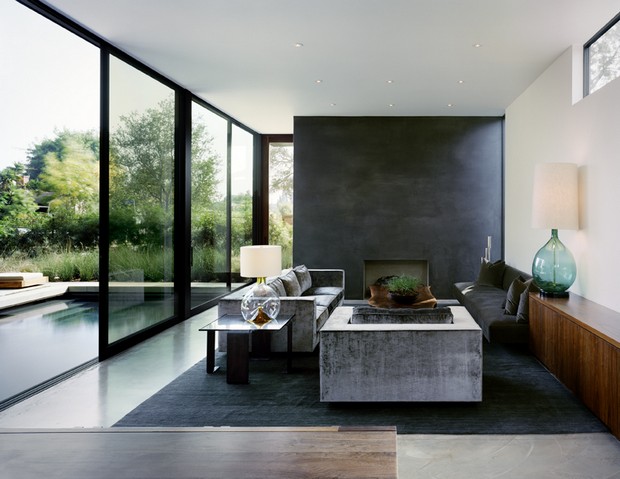
The Principles of Clean Design: Embracing Minimalism for Maximum Impact
The principles of clean design revolve around the idea of simplicity and functionality, where every element serves a purpose. Embracing minimalism is not just about eliminating clutter; it's about enhancing user experience by making crucial information easily accessible. When applied effectively, clean design can create an engaging environment that guides users through content without overwhelming them. Key elements include:
- Whitespace: Utilizing ample space around elements to create a sense of clarity.
- Color Palette: Limiting colors to a select few that complement each other and maintain visual interest.
- Typography: Choosing fonts that are legible yet distinctive, catering to the brand's personality.
Another core aspect of clean design is the concept of maximum impact through minimal means. This approach encourages designers to focus on what truly matters, translating to more impactful messages. By stripping away the non-essential, the result is a design that communicates ideas more effectively. In this context, consider the following practices for achieving maximum impact through minimalism:
- Employ bold visuals that convey messages without the need for excessive text.
- Incorporate storytelling through visual hierarchy, leading the viewer's eye where it needs to go.
- Keep layouts intuitive, ensuring that navigation remains straightforward and seamless.
Counter-Strike is a highly popular first-person shooter (FPS) game that pits two teams against each other: the terrorists and the counter-terrorists. Players can choose to engage in various game modes, including bomb defusal and hostage rescue missions. For those looking to enhance their gaming setup, check out our Top 10 Minimal Desk Accessories that can help create an optimal gaming environment.
How Clean Design Enhances User Experience: A Deep Dive
Clean design is essential in creating an intuitive user experience, as it declutters the interface and focuses the user's attention on vital elements. By minimizing distractions and emphasizing core functionalities, clean design allows users to navigate more easily through a website or application. When users are not overwhelmed by excessive information or complex layouts, they can achieve their goals more efficiently. This leads to a more satisfying interaction and encourages them to return, enhancing overall engagement and loyalty.
Moreover, clean design improves accessibility by ensuring that the content is legible and well-organized. Utilizing ample whitespace, clear typography, and a limited color palette helps guide users’ eyes to the most important components of the interface. According to recent studies, effective use of whitespace can increase readability and comprehension by up to 20%. Hence, investing in a clean design not only enhances the aesthetic appeal but also significantly impacts usability, making it a pivotal element in the overall user experience strategy.
Is Less Truly More? The Benefits of Clean Design in Modern Aesthetics
The phrase ‘less is more’ resonates deeply in the realm of modern aesthetics, particularly when discussing the advantages of clean design. Clean design strips away unnecessary elements, allowing for a more focused user experience. This minimalist approach not only enhances visual appeal but also promotes functionality by reducing distractions. By using ample white space, streamlined fonts, and a limited color palette, designers can create a harmonious environment conducive to effective communication. In a world where attention spans are dwindling, the ability to convey a message quickly and clearly becomes increasingly valuable.
Moreover, embracing clean design can have significant advantages for brands looking to make a lasting impression. Not only does it establish credibility and professionalism, but it also fosters a sense of trust among users. According to a study, 92% of users prioritize visual appeal when evaluating a brand's credibility. This clarity and simplicity can also improve user navigation, leading to heightened engagement and conversion rates. Ultimately, adopting a clean design philosophy can transform the way brands connect with their audience, proving that sometimes, less truly is more.