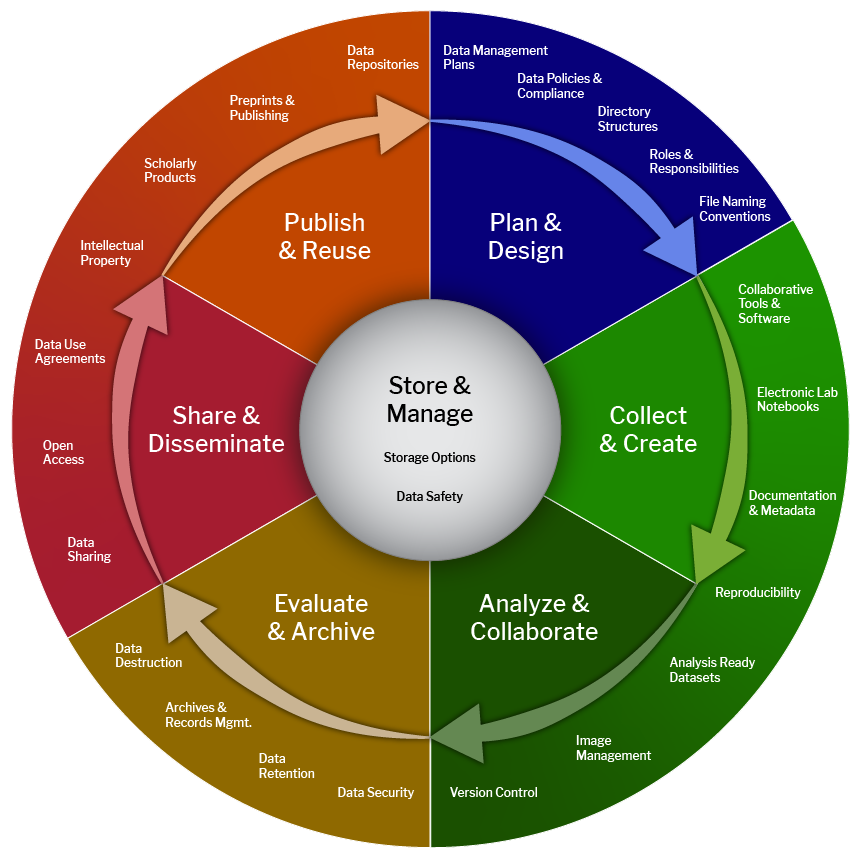
The Importance of Data Governance in Today's Business Landscape
In today's data-driven business landscape, data governance has become a critical pillar for organizations looking to enhance operational efficiency and maintain regulatory compliance. As companies increasingly rely on data analytics for decision-making, establishing a robust framework for data governance ensures that organizations manage their data assets effectively and responsibly. This encompasses defining data policies, standards, and processes that facilitate data quality, security, and availability, ultimately shaping the organization's ability to achieve business objectives.
Moreover, the significance of data governance cannot be overstated, especially in the context of privacy concerns and ever-evolving regulations such as GDPR and CCPA. Companies that prioritize effective governance measures not only protect themselves from potential legal repercussions but also earn the trust of their customers by demonstrating a commitment to data privacy. Implementing a strong data governance strategy allows businesses to leverage their data securely while fostering innovation and creating a competitive advantage in the marketplace.
Counter-Strike is a popular team-based first-person shooter that has been a staple in the gaming community since its release. Players can engage in various gameplay modes, making strategic use of weapons and teamwork essential to victory. For those interested in enhancing their gaming setup, there are many tools available, including the Top 10 mac accessories for creators that can improve comfort and performance.
5 Key Strategies for Effective Data Management
Effective data management is crucial for organizations that want to leverage their data for strategic advantage. Here are 5 key strategies to ensure your data management practices are both efficient and effective:
- Establish Clear Data Governance: Define roles and responsibilities for data management within your organization. A clear governance framework not only maintains data quality but also enhances compliance with regulations.
- Invest in the Right Technology: Utilize modern data management tools and software that facilitate data integration, storage, and retrieval. Choosing the right technology can streamline processes and reduce errors.
Furthermore, it is essential to prioritize data security. Protect sensitive information through encryption and access controls to prevent breaches that could compromise your organization’s integrity. Another critical strategy is to promote a culture of data stewardship. Encourage employees to take ownership of the data they work with, ensuring accuracy and accountability. Lastly, regularly review and update your data protocols to adapt to new challenges and opportunities in the evolving data landscape.
How Data Management Fuels Innovation and Growth
Data management plays a pivotal role in driving innovation and growth for businesses across various industries. By effectively organizing and analyzing large volumes of data, companies can uncover valuable insights that inform decision-making, thereby fostering a culture of innovation. When data is properly managed, businesses can swiftly identify trends and patterns, making it easier to adapt to changing market conditions. This agility not only enhances operational efficiency but also aids in the development of new products and services that meet customer demands. The ability to leverage data for strategic advantage is increasingly becoming a key differentiator in today's competitive landscape.
Moreover, effective data management helps organizations maintain data integrity and security, which are crucial for sustaining growth. By implementing robust data governance practices, companies can ensure that their data is trustworthy and compliant with regulatory standards. This reliability builds customer confidence and encourages data-driven decision-making at all levels of the organization. As a result, businesses that prioritize data management not only improve their operational capabilities but also position themselves for long-term success in a rapidly evolving marketplace.