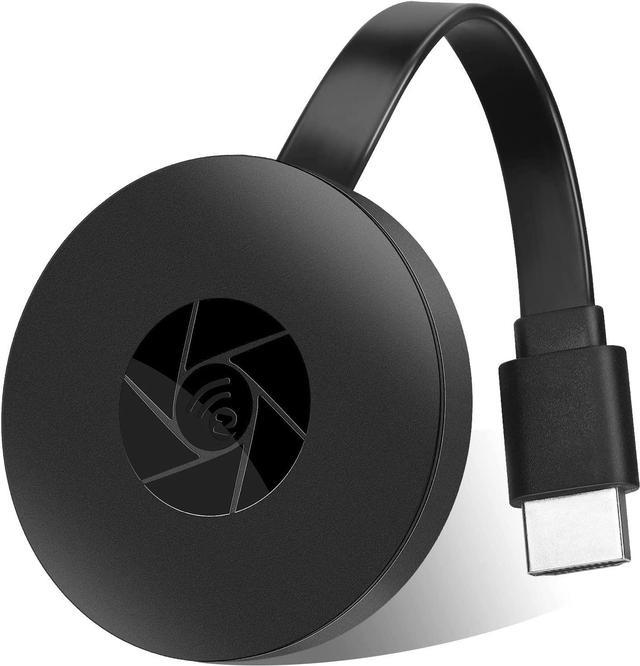
What Are Display Dongles and How Do They Enhance Your Tech Setup?
Display dongles are compact devices that connect to your tech peripherals, enabling you to send audio and video signals without the need for cumbersome wires. These handy gadgets enhance your tech setup by transforming a standard USB port into a multi-functional output, allowing screens, projectors, or TVs to connect seamlessly. From HDMI to VGA, various types of display dongles exist to accommodate different device capabilities and connectivity needs. Their versatility not only streamlines your workspace but also elevates your media consumption experience, whether you're hosting a presentation or binge-watching your favorite series.
In addition to convenience, display dongles contribute to a more organized and clutter-free environment. For instance, using wireless dongles eliminates the risk of tripping over cables and provides greater flexibility in positioning your screens. Some advanced models even support features like screen mirroring or extended displays, enhancing productivity levels by allowing you to multitask efficiently. Whether you're a tech enthusiast looking to optimize your setup or a casual user seeking an easier way to connect devices, display dongles are the ultimate solution to meet your needs.
Counter-Strike is a popular first-person shooter game that pits teams against each other in objective-based combat. Players choose between terrorists and counter-terrorists to complete various missions while strategizing to eliminate their opponents. If you're looking to enhance your gaming experience, check out the Top 10 apple tv streaming accessories for some great gear.
Top 5 Display Dongles to Elevate Your Viewing Experience
If you're looking to enhance your home entertainment setup, investing in a high-quality display dongle can make all the difference. Here are the Top 5 Display Dongles that can elevate your viewing experience:
- Google Chromecast - A pioneer in streaming technology, this dongle offers seamless integration with various apps and devices, enabling you to cast content effortlessly from smartphones and tablets.
- Amazon Fire TV Stick - This versatile device not only streams your favorite shows but also provides access to Alexa, allowing for voice control and enhanced functionality.
- Roku Streaming Stick+ - Offering a vast range of channels and a user-friendly interface, Roku ensures that you have access to all your favorite streaming services in one place.
- Apple TV 4K - If you are deeply rooted in the Apple ecosystem, the Apple TV 4K offers unparalleled streaming quality and compatibility with other Apple devices.
- Microsoft Wireless Display Adapter - Perfect for Windows users, this dongle allows for easy mirroring of your screen, making it a great option for presentations and gaming alike.
Troubleshooting Common Display Dongle Issues: Tips and Tricks
Display dongles are essential tools for connecting various devices to screens, yet users often encounter common display dongle issues that can disrupt their experience. The first step in troubleshooting is to ensure that your dongle is securely connected to both the source device and the display. Check all cables for any signs of damage and ensure that your devices are powered on. If you're experiencing a lack of signal, try reseating the dongle in the HDMI port, or swapping it to a different port, if available. Additionally, confirm that your display is set to the correct input source; this is a frequent oversight that can lead to confusion.
If connectivity issues persist, consider the following tips and tricks for resolving them: 1. Restart both the source device and the display. 2. Check for firmware updates for your dongle and sources which may address compatibility issues. 3. Test the dongle on a different display to rule out any device-specific problems. 4. If you're using a wireless display dongle, ensure that both the dongle and the source device are on the same Wi-Fi network. By following these steps, you can effectively troubleshoot and resolve many common display dongle issues, ensuring a smoother user experience.