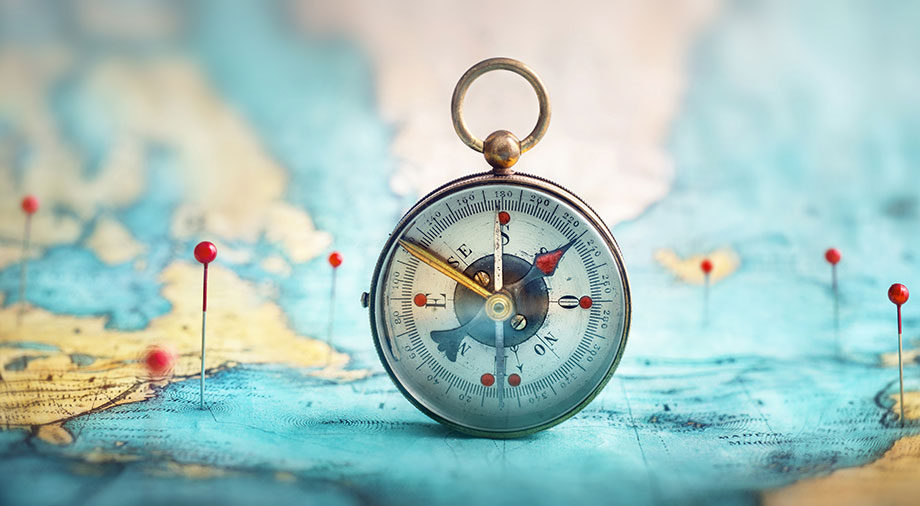
The Art of Navigation: Understanding the Tools That Guide Our Journeys
The art of navigation has evolved significantly over the centuries, transforming from traditional techniques to sophisticated technology. Understanding the tools that guide our journeys is crucial for anyone who wants to navigate effectively, whether they're exploring remote locations or simply trying to find their way in an urban environment. From ancient methods like celestial navigation, which utilizes the stars, to modern systems like GPS that rely on satellite technology, our navigation tools have become increasingly advanced. Each method offers unique advantages and challenges, and knowing how to use them effectively can make a significant difference in our travel experiences.
In today's world, a variety of tools are available to assist with navigation. Some of the most widely used include:
- Maps - Traditional paper maps provide a reliable source of information, especially in areas without cellular service.
- GPS Devices - These are essential for precise positioning and route planning.
- Smartphone Apps - Applications like Google Maps and Waze offer real-time updates and user-friendly interfaces for seamless navigation.
By understanding these various tools, individuals can enhance their navigation skills and ensure they reach their destinations with confidence and ease.
Counter-Strike is a popular first-person shooter game that has captivated millions of players around the world. It involves teamwork, strategy, and quick reflexes as players engage in competitive matches. If you’re looking for something else to enhance your gaming experience, check out the Top 10 magsafe car mounts for gamers on the go.
Exploring Modern Navigation: How Technology Enhances Our Daily Adventures
In today's fast-paced world, technology has revolutionized the way we navigate our surroundings. From GPS-enabled devices to highly sophisticated mapping applications, modern navigation tools have transformed our daily adventures. These tools not only provide accurate directions but also offer insights into real-time traffic conditions, estimated arrival times, and alternative routes. This level of connectivity allows adventurers to explore new locales with confidence, reducing the stress often associated with getting lost.
Moreover, the integration of augmented reality (AR) in navigation apps has further enhanced the user experience. By overlaying digital information onto the physical world, AR enables users to see directions and points of interest directly in their line of sight. For instance, using apps that support AR navigation, one can simply point their smartphone at a street and receive visual cues on where to go. Such innovative features not only make navigation easier but also enrich our understanding of our surroundings, making each adventure more engaging and informative.
Lost or Found? The Psychological Impact of Navigation on Our Experiences
The experience of being lost or found can significantly impact our psychological state and emotional well-being. When navigating unfamiliar environments, such as a new city or even a vast online landscape, individuals often experience heightened anxiety and confusion. The feeling of being lost triggers the brain's stress response, leading to disorientation and discomfort. In contrast, finding one’s way can evoke a sense of relief and accomplishment, bolstering self-confidence and fostering a positive emotional state. These contrasting emotional experiences highlight the profound connection between navigation and our mental health.
Moreover, our ability to navigate effectively influences not only our immediate reactions but also shapes our long-term memories and cultural experiences. People who frequently find themselves lost may develop a negative perception of unfamiliar situations, impacting their willingness to explore new opportunities. Conversely, consistent successful navigation can lead to a robust sense of agency and resiliency. As such, understanding the psychological impact of navigation can assist in developing strategies for enhancing navigational skills and promoting positive experiences, whether we are talking about physical landscapes or the digital world.