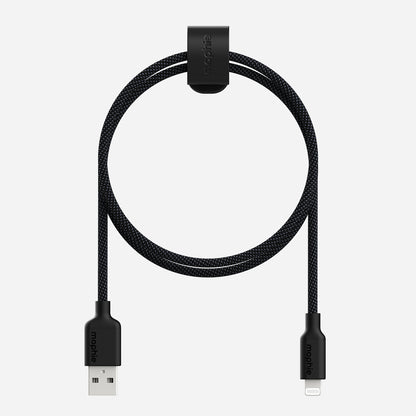
Why Lightning Cables Are Essential for Your Apple Devices
Lightning cables are more than just accessories; they are essential tools for enhancing the functionality of your Apple devices. Designed specifically for Apple's range of products, these cables ensure optimal charging speed and data transfer efficiency. Unlike many generic cables, Lightning cables feature a reversible design, which makes it easy to connect without fumbling in low light conditions. They also support a wide array of devices, from iPhones and iPads to iPods, ensuring that you can charge or sync your entire Apple ecosystem with ease.
Moreover, the durability of Lightning cables cannot be overstated. Built with quality materials, these cables are less prone to fraying and damage compared to traditional charging cords. Investing in genuine or certified Lightning cables can save you time and money in the long run, as they are designed to withstand frequent use and daily wear and tear. In a world where connectivity and efficiency are paramount, ensuring you have reliable charging solutions like Lightning cables is crucial for maintaining the performance and longevity of your Apple devices.
Counter-Strike is a highly popular tactical first-person shooter that has captivated gamers since its release. Players are divided into two teams, terrorists and counter-terrorists, each with specific objectives. For those looking to optimize their gaming experience, it's essential to have the right technology, such as a fast charger for your gaming devices. Check out the Top 10 fast chargers for iPhone to ensure you're always ready to play. With its competitive gameplay and strategic elements, Counter-Strike continues to be a staple in the eSports community, drawing millions of players worldwide.
How to Choose the Right Lightning Cable for Your Needs
Choosing the right lightning cable for your needs is crucial for ensuring optimal device performance. Firstly, consider the length of the cable. If you plan to charge your device from a distance, a longer cable may be beneficial, typically ranging from 1 to 10 feet. Additionally, think about the durability of the cable; materials like nylon braiding often offer better resistance to wear and tear than standard plastic coverings. Lastly, ensure compatibility with your devices by checking if the cable supports the intended charging and data transfer speeds.
Another essential factor in selecting lightning cables is the certification. Look for MFi (Made for iPhone/iPad/iPod) certification, which guarantees that the cable is approved by Apple and meets their performance standards. Additionally, consider features such as fast charging capabilities and data transfer speeds, which can significantly enhance your user experience. You may also want to read reviews and compare prices to make an informed decision that fits your budget and requirements.
The Evolution of Charging: Are Lightning Cables Still Relevant?
The rapid evolution of technology has brought us a myriad of charging solutions, from the once-ubiquitous Lightning cables to the universal charm of USB-C. Initially introduced by Apple in 2012, Lightning cables were celebrated for their reversible design and fast data transfer capabilities. However, as the tech world shifts towards more standardized solutions, one must question: Are Lightning cables still relevant? While they remain a staple for many Apple devices, the growing adoption of USB-C across various platforms suggests a potential decline in their importance.
As we delve deeper into this topic, it’s essential to recognize that the relevance of Lightning cables may be fading, yet they have not disappeared entirely. For many users, these cables still provide a reliable method for charging and syncing their devices. Moreover, with the launch of new Apple products, including the latest iPhones and iPads, Lightning cables continue to feature prominently. Still, the question remains: will they continue to coexist with the ever-increasing prevalence of USB-C? This debate shapes not only consumer choices but also the future direction of charging technology.