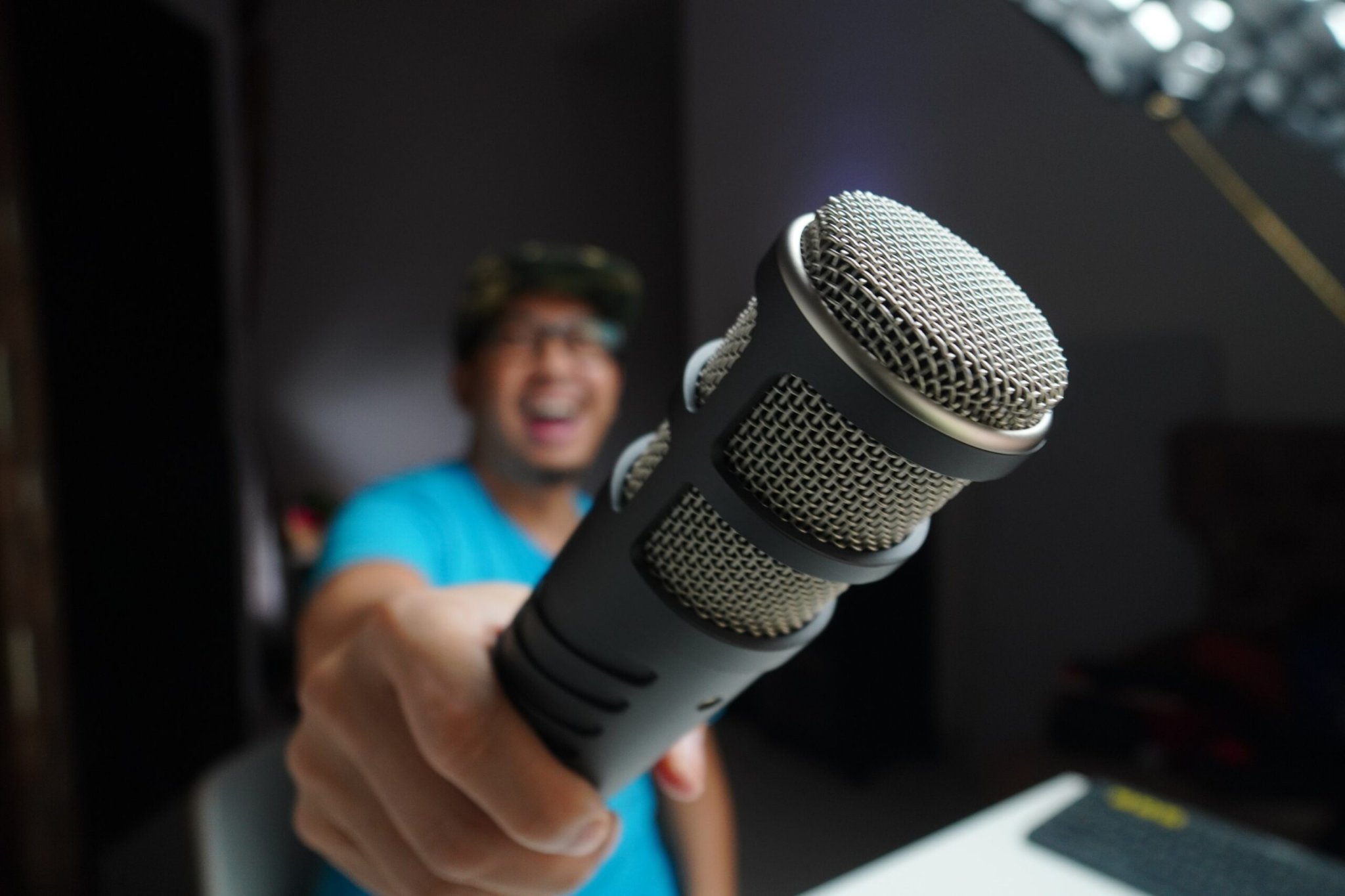
The Art of Voice Projection: Unlocking Your Vocal Potential
The Art of Voice Projection is an essential skill for anyone looking to communicate effectively, whether in public speaking, singing, or even casual conversation. Voice projection involves controlling the volume and clarity of your voice, allowing you to be heard clearly without straining your vocal cords. By mastering this art, you can captivate audiences, convey messages with authority, and confidently express your thoughts. Techniques such as diaphragmatic breathing, proper posture, and warm-up exercises are crucial to unlocking your vocal potential and enhancing your overall sound quality.
To further develop your voice projection skills, consider incorporating the following tips into your practice routine:
- Practice breathing exercises to strengthen your diaphragm.
- Engage in vocal warm-ups to prepare your vocal cords.
- Focus on your posture to ensure optimal airflow.
- Record and listen to yourself to identify areas for improvement.
Remember, the journey to effective voice projection takes time and patience, but the payoff in your communication abilities can be significant. Embrace this journey and unlock your true vocal potential!
Counter-Strike is a highly popular first-person shooter game that emphasizes teamwork and strategy. Players can choose to be part of either the terrorist or counter-terrorist team, each with its own objectives. For those looking to enhance their video content creation, check out the Top 10 Mobile Vlogging Accessories to improve quality and engagement. This intense gameplay has led to a thriving esports scene, making it a staple in competitive gaming.
How to Find the Perfect Microphone for Your Voice
Finding the perfect microphone for your voice can significantly enhance your audio quality, whether for podcasting, streaming, or recording music. Start by assessing your voice type; consider whether you have a deep, resonant voice or a higher pitch. Dynamic microphones are ideal for live vocal performances, providing excellent noise rejection, while condenser microphones capture the nuances of your voice, making them suitable for studio settings. Additionally, it's crucial to evaluate the microphone's frequency response and sensitivity, as these factors determine how well the mic reproduces your voice's unique characteristics.
Once you've identified your voice type, explore various brands and models to find one that fits your budget and needs. Look for reviews and recommendations to gauge how different microphones perform for specific vocal ranges. If possible, test a few models in-store or rent them for a session. Pay attention to how each microphone interacts with your voice; the right mic should enhance clarity and warmth. Remember, the perfect microphone for your voice will not only sound good but also feel good to use, ensuring a comfortable recording experience.
Top Tips for Capturing Your Unique Vocal Sound Without a Mic
Capturing your unique vocal sound without a mic can be a rewarding challenge, allowing for a more organic representation of your voice. First, consider choosing the right environment. Recording in a naturally resonant space like a small room filled with soft furnishings can help enhance your voice's tonal qualities. Try using natural soundproofing elements, such as carpets and curtains, to reduce external noise and echo. Additionally, experiment with your distance from the sound source; moving closer to a reflective surface or corner can create interesting vocal effects.
Second, utilize your smartphone or portable recording device to capture your sound. Most modern devices have surprisingly good built-in microphones, allowing you to record vocal samples easily. Find a comfortable position and use apps that provide sound editing features to refine your recordings. Lastly, don't forget to play with your vocal techniques, experimenting with pitch and dynamics to portray your distinct sound. Record multiple takes and compare them to find the best representation of your vocal style.