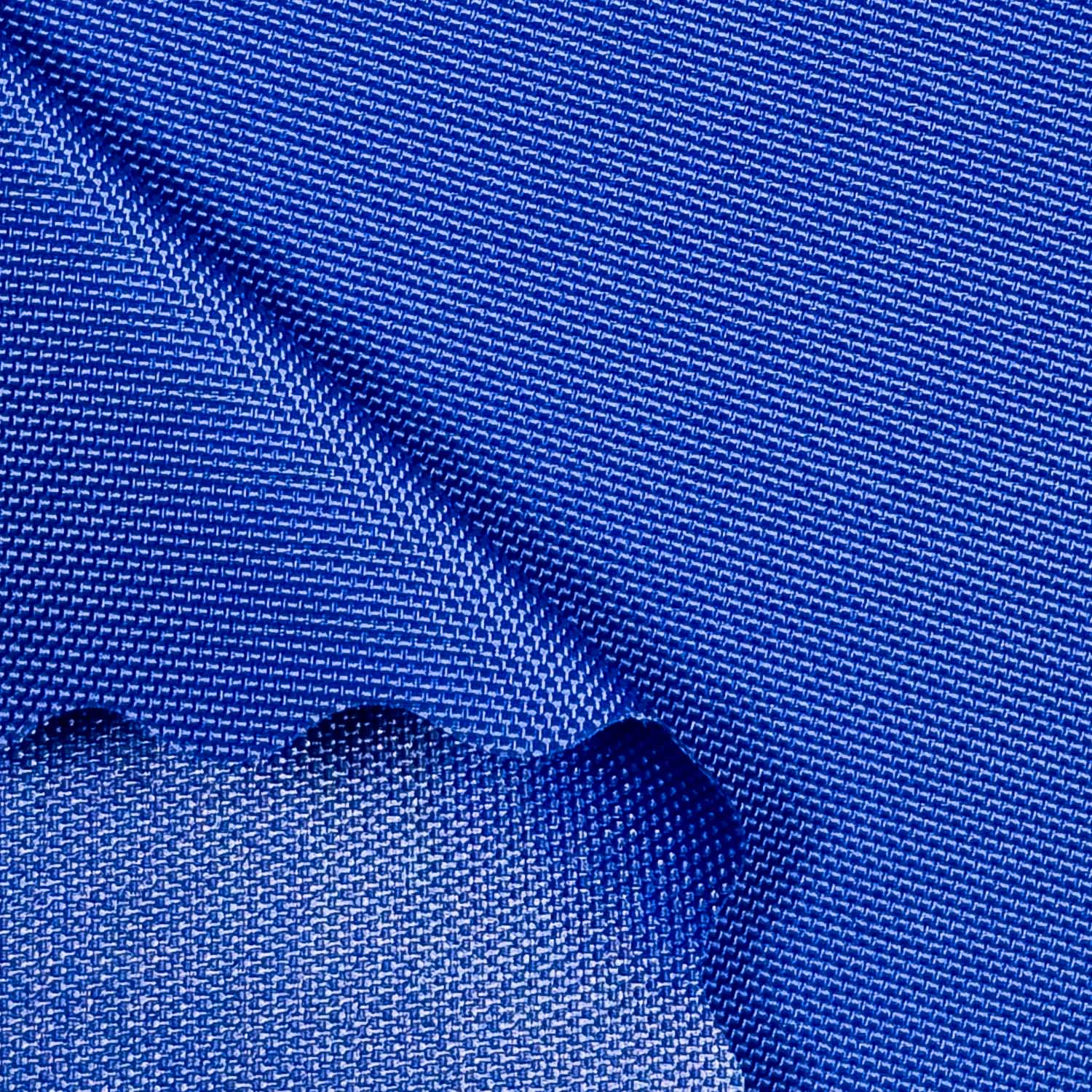
10 Unexpected Uses for Nylon You Never Knew About
Nylon is often recognized for its use in clothing and accessories, but it has a plethora of unexpected uses that might surprise you. For instance, did you know that nylon can be utilized in the production of fishing nets? Its durability and resistance to wear make it ideal for creating nets that can withstand harsh aquatic environments. Similarly, nylon fibers are frequently employed in the manufacture of parachutes, thanks to their lightweight and strong characteristics, which ensure safe descents for skydivers.
Beyond outdoor and recreational applications, nylon also finds its way into everyday household items. One fascinating use is in the construction of toothbrush bristles. Many toothbrushes feature nylon bristles due to the material's ability to maintain shape and resist bacteria. Another surprising application is in the realm of helicopter rotor blades. Some rotor blades are made from composite materials that include nylon, providing flexibility and strength, ultimately enhancing flight safety.
Counter-Strike is a highly popular first-person shooter game that has captivated gamers for years. Known for its competitive gameplay, teams of terrorists and counter-terrorists face off in various scenarios. Players can customize their loadouts and utilize various strategies to achieve victory. In addition to gaming, players often look for accessories to enhance their experience, including watches. For those interested, you can check out the Top 10 Lightweight Apple Watch Bands to find the perfect band for your watch.
Why Nylon Is the Go-To Fabric for Outdoor Enthusiasts
Nylon has become the favored fabric among outdoor enthusiasts for a multitude of reasons, with its unique properties standing out in rugged environments. Known for its incredible strength-to-weight ratio, nylon is designed to withstand harsh weather conditions, making it an ideal choice for backpacks, jackets, and tents. Unlike cotton, which absorbs moisture, nylon repels water, ensuring that gear remains lightweight and dry even in unexpected downpours. Additionally, its resistance to abrasion means that outdoor gear made from nylon can endure the wear and tear of rough terrains, thereby enhancing its durability and longevity.
Another key advantage of nylon is its versatility and adaptability, which resonates well with outdoor enthusiasts who engage in various activities. Whether you're hiking, camping, or climbing, nylon provides the necessary flexibility and comfort, allowing for ease of movement without compromising on protective features. Moreover, many nylon fabrics are treated with coatings to improve water resistance and UV protection, ensuring that adventurers can confidently face the elements. As a result, nylon continues to dominate the realm of outdoor textiles, solidifying its status as the go-to choice for those who embrace life in the great outdoors.
How Nylon Revolutionized the Fashion Industry: A Deep Dive
Nylon, introduced to the world in 1935 by DuPont, marked a significant turning point in the fashion industry. Before its advent, fabrics were primarily derived from natural sources like cotton, silk, and wool, which often limited the possibilities for innovative designs and durable garments. With the creation of nylon, designers suddenly had access to a versatile synthetic fiber that was not only strong and elastic but also resistant to mildew and pests. This enabled the fashion world to experiment with new styles, such as form-fitting dresses and tailored suits, while offering consumers more affordable options that did not compromise on quality.
The influence of nylon extended beyond clothing, revolutionizing accessories and undergarments as well. For instance, the introduction of nylon stockings in the late 1930s quickly became a staple in women's wardrobes, leading to a fashion craze that reshaped societal norms around femininity and elegance. Furthermore, nylon's lightweight and water-resistant properties contributed to the rise of practical yet stylish outdoor wear, catering to the growing emphasis on versatility in fashion. Today, nylon continues to play a crucial role in the industry, proving that synthetic materials can be not only functional but also immensely fashionable.