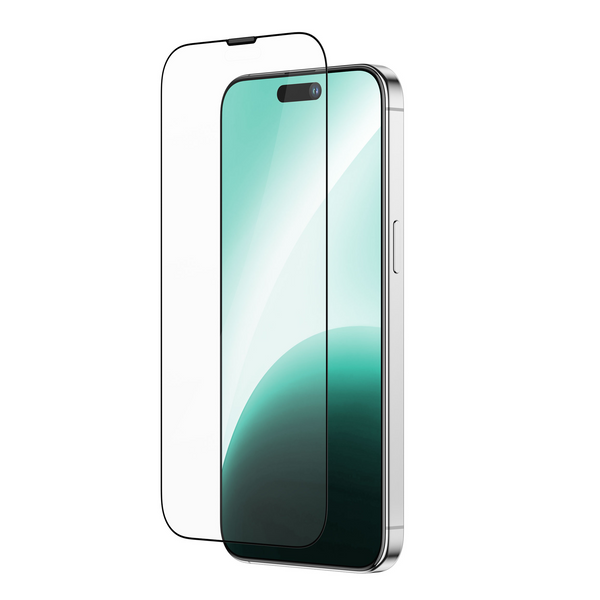
The Ultimate Guide to Screen Protectors: Which One is Right for You?
Choosing the right screen protector can be overwhelming given the myriad of options available on the market today. Whether you're concerned about scratches from everyday use, cracks from accidental drops, or glare from bright sunlight, understanding the different types of screen protectors can help you make an informed decision. There are three primary types to consider: tempered glass, plastic film, and privacy filters. Each type offers unique benefits:
- Tempered Glass: Provides superior protection against impacts and scratches.
- Plastic Film: Lightweight and affordable, perfect for minor scratches.
- Privacy Filters: Limits screen visibility from side angles, ideal for those concerned about privacy.
When selecting a screen protector, consider your lifestyle and the level of protection you need. For example, if you're constantly on the go and tend to drop your phone, a tempered glass protector will offer the best defense against shattering. However, if you primarily use your phone for light browsing and social media, a plastic film may suffice. Additionally, think about any specific features that might enhance your user experience, such as anti-glare or anti-fingerprint coatings. In conclusion, identifying your needs is the first step towards finding the right screen protector for you.
Counter-Strike is a popular first-person shooter game that has become a staple in the gaming community. Players can engage in team-based strategies, working together to complete objectives or eliminate the opposing team. Alongside the intense gameplay, gamers often spend long hours in front of screens, so it's important to consider their eye health. For those looking to alleviate eye strain, check out the Top 10 Phone Accessories for Eye Strain to help enhance their gaming experience.
Top 5 Myths About Screen Protectors Debunked
Screen protectors are often surrounded by misconceptions that can lead consumers to overlook their benefits. One common myth is that screen protectors will always distort the display of your device. In reality, many of today's high-quality protectors are designed with advanced materials that maintain clarity and color accuracy while providing a barrier against scratches and minor impacts. In fact, some options even enhance touch sensitivity, making them almost imperceptible once applied.
Another prevalent myth is that screen protectors are unnecessary if you already have a tough or shatter-resistant screen. While it’s true that modern smartphones often come with durable screens, they are not invincible. Applying a screen protector adds an extra layer of security that can safeguard against unforeseen accidents, such as drops or unwanted scratches from other objects in your bag or pocket. In essence, using a screen protector is a smart preventive measure that can preserve the value and functionality of your device.
How to Choose the Best Screen Protector for Your Device: A Complete Checklist
Choosing the best screen protector for your device can make a significant difference in keeping it safe from scratches and drops. Start by considering the type of screen protector you need. There are typically three options: tempered glass, plastic film, and liquid screen protectors. Tempered glass offers superior protection and a smoother touch experience, while plastic films are lighter and more affordable but may not provide the same level of durability. Liquid protectors are a newer option that can bond with your device's screen, offering a thin layer of protection that’s often imperceptible.
Next, check the compatibility of the screen protector with your specific device. Many protectors are designed for specific models and brands, so always confirm that it matches your device. Additionally, look for features such as scratch resistance, anti-glare, and easy installation. A good screen protector should also maintain the clarity and sensitivity of your device’s touchscreen, ensuring you don’t compromise usability for protection. To help you choose, consider making a checklist based on these criteria before making a purchase.