Digital vs. Traditional Art: What's the Real Difference?
In the world of art, digital and traditional art have emerged as two distinct forms of expression, each with its unique characteristics and advantages. Traditional art encompasses mediums like painting, drawing, sculpture, and printmaking, where artists use physical materials such as canvas, paper, clay, and paint. On the other hand, digital art leverages technology through software and digital tools, allowing artists to create illustrations, graphic designs, and 3D models. A key difference lies in the technique: traditional art often relies on tactile methods and direct interaction with materials, while digital art offers a more fluid process that can include undo options, layering, and a vast array of digital brushes and effects.
Moreover, the accessibility of each medium plays a significant role in their distinction. Traditional art requires a range of physical supplies, which can be costly and space-intensive, potentially limiting the artist's practice. In contrast, digital art can be created on devices as accessible as tablets and smartphones, making it easier for aspiring artists to explore their creativity without a hefty investment in materials. However, both art forms also carry their own challenges. Traditional artists must grapple with the permanence of their choices, while digital artists often face the issue of artwork existing solely in electronic formats, leading to concerns about copyright and ownership. Ultimately, the debate between digital and traditional art continues to evolve, highlighting the shifting dynamics of artistic expression in the modern world.
Counter-Strike is a popular first-person shooter franchise known for its team-based gameplay and strategic depth. Players can choose to play as terrorists or counter-terrorists, aiming to complete objectives such as bomb defusal or hostage rescue. For those looking to enhance their gaming experience, check out these Top 10 iPad Accessories for Meetings that can elevate productivity during gaming sessions.
5 Reasons Why Digital Art is Revolutionizing Creativity
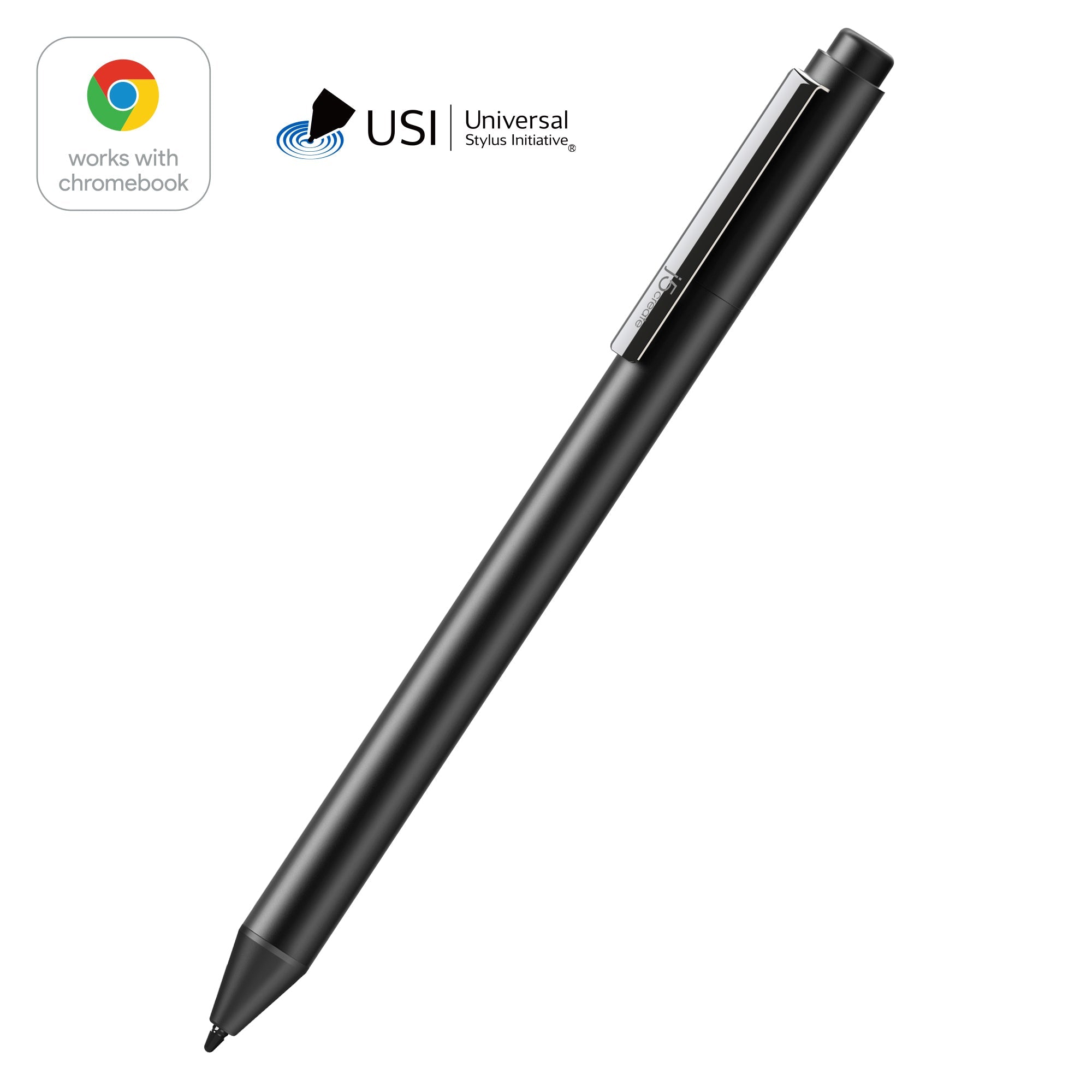
In today's digital age, digital art is revolutionizing creativity like never before. One of the most significant reasons is its accessibility. Artists can create stunning pieces using just a tablet and stylus, breaking down barriers to entry for aspiring creatives. Additionally, platforms like Adobe Creative Cloud and Procreate offer powerful tools at an affordable price, allowing anyone with a passion for art to express themselves without the constraints of traditional materials.
Moreover, the versatility of digital art enables endless experimentation and innovation. Artists can easily manipulate colors, styles, and textures, giving them the freedom to explore new concepts without the risk of wasting resources. This adaptability fosters a creative environment where artists can push boundaries, collaborate with others effortlessly, and share their work globally through social media platforms, expanding their reach and influence.
Can Traditional Techniques Thrive in a Digital World?
In today’s increasingly digital world, the question arises: Can traditional techniques thrive amidst rapid technological advancement? The answer lies in the ability to adapt and integrate these time-honored methods with modern practices. For instance, traditional crafts like woodworking and pottery have found new life through platforms that showcase artisans online, allowing them to reach a global audience. By embracing social media and e-commerce, these artisans breathe new vitality into their age-old skills, proving that the essence of tradition can coexist harmoniously with the digital landscape.
Moreover, the revival of traditional methods is not just restricted to craftsmanship. In fields like marketing and education, there is a growing appreciation for in-person interactions and hands-on experiences. For example, many businesses are recognizing the importance of face-to-face communication alongside their online presence, fostering a deeper connection with customers. Similarly, educators are implementing blended learning approaches that incorporate both traditional teaching techniques and cutting-edge digital tools. This synthesis suggests that rather than eliminating traditional techniques, the digital world can enhance and elevate them, leading to a richer, more diversified experience.