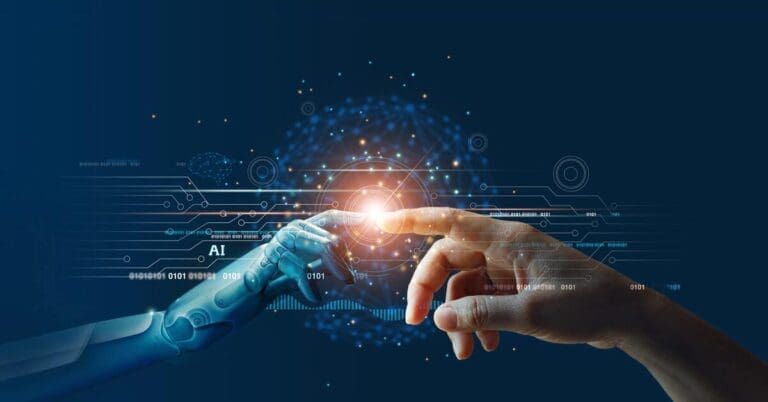
5 Groundbreaking Technologies Set to Transform Our Lives in 2023
As we progress into 2023, several groundbreaking technologies are poised to make a significant impact on our everyday lives. Among these, artificial intelligence (AI) continues to lead the charge. With advancements in machine learning and natural language processing, AI is set to enhance various sectors, from healthcare to finance. Imagine having a virtual healthcare assistant capable of diagnosing symptoms and suggesting treatment plans, or AI-powered tools that can personalize your shopping experience based on your preferences and previous purchases.
Another critical technology making waves this year is blockchain. Initially recognized for its role in cryptocurrency, blockchain is evolving into a transformative force in industries such as supply chain management and digital identity verification. The ability to create secure, tamper-proof records will not only enhance transparency but also strengthen trust between parties involved in transactions. Moreover, advancements in Internet of Things (IoT) technology will enable seamless integration and communication among devices, leading to smarter homes and efficient energy management.
Counter Strike
Counter Strike is a highly popular first-person shooter game that has garnered a massive following since its release. Players are divided into two teams: Terrorists and Counter-Terrorists, each with unique objectives to complete. The game's tactical gameplay and teamwork are essential to achieving victory.
For those looking to enhance their gaming experience, check out the Top 10 Nightstand Chargers for Apple Watch to keep your devices powered during intense gaming sessions.
Is AI the Future of Creativity? Exploring the Next Wave of Tech Innovation
As we stand on the brink of a technological revolution, one question looms large: Is AI the future of creativity? With advancements in machine learning and neural networks, artificial intelligence is not only transforming industries but also redefining the processes of creativity itself. Artists, writers, and musicians are beginning to experiment with AI tools that assist in generating ideas, compositions, and even entire works of art. These tools help bridge the gap between human creativity and machine efficiency, creating a unique synergy that could shape the next wave of tech innovation.
Moreover, the implications of AI in creative fields extend beyond mere output; they challenge the traditional notions of authorship and originality. As machines become more adept at mimicking human creativity, debates about copyright and authorship arise, pushing us to reconsider what it means to be creative. Embracing AI as a collaborator rather than a competitor could open up new avenues for artistic expression, fostering a generation of creators who leverage technology to push the boundaries of their craft. One thing is clear: the integration of AI into creative processes is not just a trend but a profound evolution in our understanding of creativity itself.
What You Need to Know About the Rise of Quantum Computing in Everyday Life
The rise of quantum computing is set to transform our everyday lives in ways we can hardly imagine. Unlike classical computers, which process information in binary (0s and 1s), quantum computers use qubits that can exist in multiple states simultaneously. This exponential increase in computational power allows them to solve complex problems much faster than traditional computers. As industries from healthcare to finance begin to adopt this technology, we can expect revolutionary advances such as personalized medicine, enhanced financial modeling, and breakthroughs in material science that will impact everything from our daily products to large-scale energy solutions.
However, with such profound change also comes challenges. Issues surrounding quantum computing include the need for increased cybersecurity measures, as quantum computers could potentially break traditional encryption methods. It's essential for individuals and businesses to understand both the opportunities and risks associated with this technology. Staying informed will be crucial as we move closer to a future where quantum computing becomes an integral part of daily life, thereby reshaping not just how we interact with technology, but also how we approach problems and solutions on an unprecedented scale.