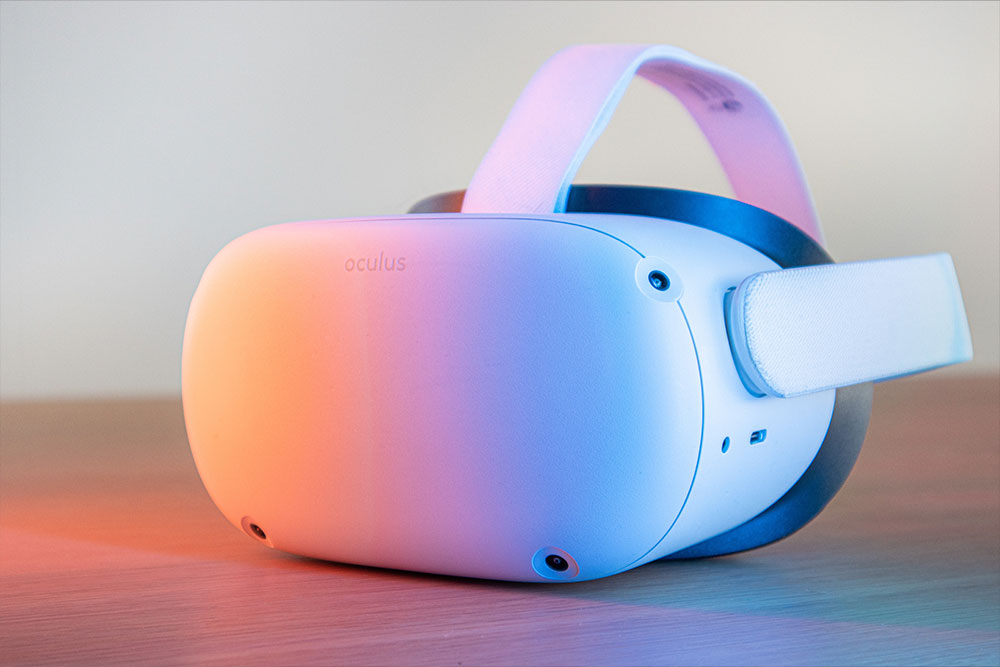
Exploring the Creative Potential of VR: Beyond Gaming
Virtual Reality (VR) technology has transcended its initial roots in the gaming industry, opening up a world of creative potential across various fields. Artists and designers are embracing VR to create immersive environments that allow audiences to interact with their work in unprecedented ways. For instance, virtual galleries can showcase art in a 3D space, enriching the viewer's experience. This not only enhances engagement but also brings forth new methods of storytelling, enabling creators to craft narratives that evolve based on user interaction.
Beyond the arts, VR's transformative capabilities are being harnessed in education, therapy, and architecture. In educational settings, students can explore historical sites or conduct virtual science experiments that spark their imagination. Similarly, in therapy, VR has been employed to treat phobias and PTSD by transporting patients to curated environments where they can confront their fears safely. As the boundaries of reality continue to blur, the creative possibilities of VR expand, illustrating its profound impact beyond just gaming.
Counter-Strike is a popular first-person shooter game that has captivated players since its release in 1999. Known for its tactical gameplay and team-based mechanics, it requires players to work together to achieve objectives. For gamers seeking the best in comfort and performance, check out the Top 10 apple vision pro head straps that enhance the gaming experience. With various game modes and a vibrant competitive scene, Counter-Strike continues to be a staple in the gaming community.
How Virtual Reality Fosters Connection and Collaboration
Virtual Reality (VR) technology is transforming the way we connect and collaborate, breaking down geographical barriers and creating immersive experiences that enhance interpersonal interactions. By allowing users to enter a shared digital space, VR fosters a sense of presence and engagement that traditional forms of communication often lack. Through virtual meeting rooms or collaborative environments, team members can engage in real-time discussions, brainstorm ideas, and manipulate digital objects as if they were physically together. This revolutionary approach not only improves teamwork but also creates opportunities for global collaboration on projects, enabling diverse perspectives and ideas to flourish.
Moreover, virtual reality can significantly improve communication skills and emotional connections among users, particularly in educational and professional settings. For instance, VR simulations can be used to train employees on effective teamwork, conflict resolution, and leadership skills. As participants immerse themselves in these experiences, they develop greater empathy and understanding of their colleagues, thus strengthening their relationships. This deepening of connections ultimately leads to a more cohesive and productive team, making VR an invaluable tool for fostering collaboration in an increasingly interconnected world. In conclusion, as technology continues to advance, harnessing the power of virtual reality will redefine how we connect and collaborate.
What Are the Most Innovative Uses of VR for Artistic Expression?
Virtual reality (VR) is revolutionizing the way artists approach artistic expression. By immersing viewers in a completely virtual environment, creators are not only challenging traditional forms of art but also engaging their audiences on a deeper level. One of the most innovative uses of VR is in the realm of interactive installations, where visitors can step into various digital realms and interact with the art they see. For instance, artists like Marina Abramović have utilized VR to create powerful experiences that allow participants to engage with their art on a personal level, fostering a sense of connection that is often missing in conventional galleries.
Another groundbreaking application of VR in artistic expression is through the creation of virtual galleries that showcase a myriad of artworks from around the globe. Platforms such as VIVE Arts and Artsteps enable artists to curate their own exhibitions in immersive 3D spaces. These virtual galleries not only democratize access to art for global audiences but also allow for the integration of multimedia elements—such as sound, animation, and interactivity—that enhance the overall experience. Additionally, VR tools like Tilt Brush empower artists to paint in a 3D space, transforming their creative process and pushing the boundaries of visual storytelling.