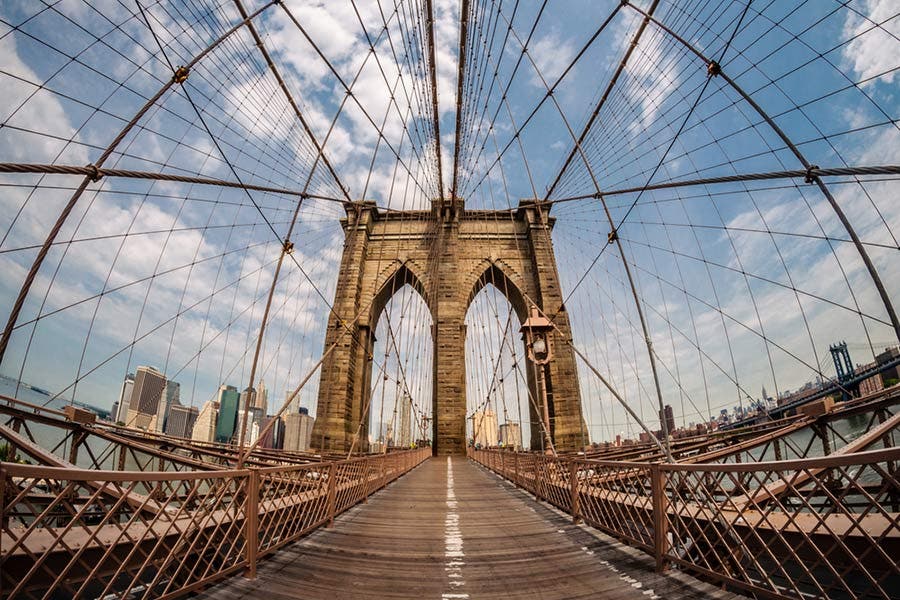
Exploring the Art of Wide Angle Photography: Tips and Techniques
Wide angle photography is an exciting and versatile technique that allows photographers to capture expansive landscapes and dynamic scenes. By using a lens with a focal length of 35mm or less, you can effectively create a sense of depth and perspective that draws viewers into the frame. To master the art of wide angle photography, consider incorporating the following tips:
- Choose the Right Lens: A dedicated wide angle lens or a zoom lens with a wide focal length can greatly enhance your shots.
- Get Close to Your Subject: This will help in creating a stronger sense of perspective and drama in your images.
- Incorporate Foreground Elements: This adds depth and context to your wide shots, making them more engaging.
When it comes to composition in wide angle photography, employing techniques such as leading lines or the rule of thirds can elevate your imagery. Experimenting with different angles and vantage points can also yield unexpected and striking results. As you embrace this style, remember to pay attention to the light; golden hour often provides the most enchanting conditions. Lastly, don't be afraid to walk around your subject, discovering unique perspectives that can transform an ordinary scene into a breathtaking visual narrative. This approach will not only help you improve your skills but also cultivate your personal artistic vision.
Counter-Strike is a highly popular first-person shooter game that has captivated gamers since its release in the late 1990s. Players engage in team-based gameplay, where they can choose to be either terrorists or counter-terrorists, with objectives varying from bomb defusal to hostage rescue. With its competitive scene, many players seek to enhance their gaming experience, much like looking for the Top 10 iphone camera lenses to improve their photography skills.
How to Choose the Right Lens for Capturing Stunning Wide Angle Shots
Choosing the right lens for capturing stunning wide-angle shots is essential for landscape photography, architectural images, and stunning visual storytelling. Wide-angle lenses generally fall within the range of 14mm to 35mm, allowing photographers to cover expansive scenes while maintaining sharp details. When selecting a lens, consider factors such as focal length, aperture, and lens distortion. A lens with a wider aperture (f/2.8 or larger) not only performs better in low light but also offers beautiful bokeh effects when needed, enhancing your composition.
Additionally, lens distortion can significantly impact the quality of your wide-angle shots. Look for lenses with built-in correction features or those that are known for minimizing distortion, ensuring straight lines appear as intended, especially in architectural photography. Reading user reviews and testing various options can help you find the perfect match for your style. Whether you capture breathtaking landscapes or intimate interiors, making an informed choice about your lens will elevate your photography and provide stunning results.
The Impact of Wide Angle Perspective on Storytelling in Photography
The use of wide angle perspective in photography dramatically alters the storytelling capability of an image. Unlike standard lenses, wide angle lenses capture a broader field of view, allowing photographers to include more elements within the frame. This characteristic can evoke a sense of grandeur and immersiveness, drawing the viewer into the scene. For instance, landscape photographers often utilize wide angle perspectives to showcase the vastness of nature, creating a feeling of awe and connection with the environment. This perspective can transform an ordinary photograph into a captivating narrative that encourages audiences to explore the details within the scene.
Incorporating a wide angle perspective can also enhance the emotional depth of a photograph. When used strategically, it can create a sense of intimacy by placing the viewer in close proximity to the subject while still revealing the surrounding context. This technique is particularly effective in portrait photography, where the background can tell its own story while complementing the subject. The juxtaposition of the main focus with the wider environment opens up opportunities for rich storytelling, inviting viewers to engage with the photograph on multiple levels. Ultimately, the impact of wide angle perspective on storytelling in photography is profound, as it enables artists to convey complex narratives through spatial relationships and context.