H2: From Ambient Glows to Task-Specific Beams: Decoding the World of Lighting Fixture Types (Your questions answered: What's the difference between a pendant and a chandelier? How do I choose the right recessed lighting for my space?)
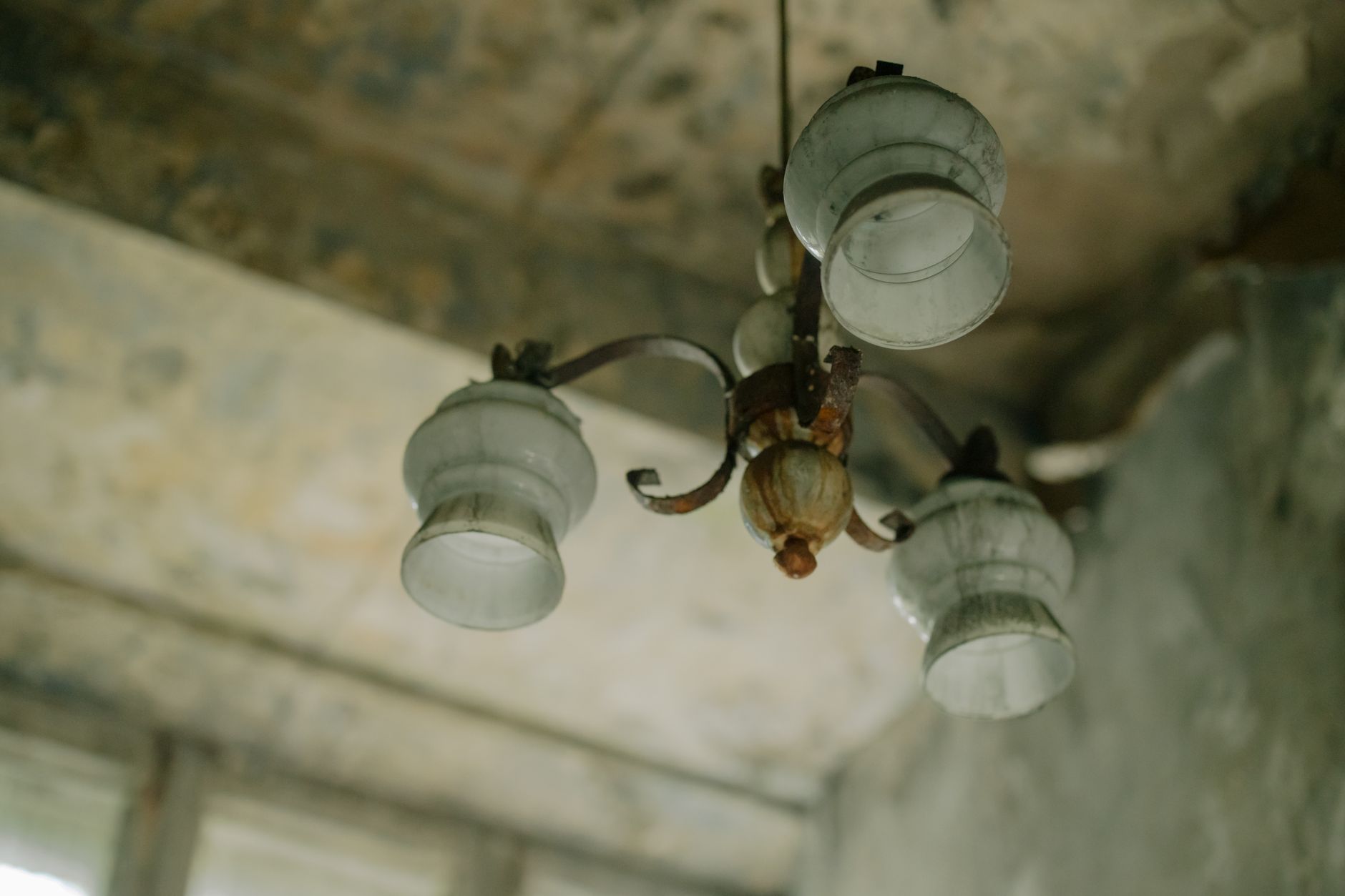
Navigating the vast universe of lighting fixtures can feel like a daunting task, but understanding the fundamental differences between types empowers you to make informed decisions that enhance both aesthetics and functionality. Take, for instance, the common query: What's the difference between a pendant and a chandelier? While both hang from the ceiling, a pendant typically features a single light source or a small cluster, often with a more minimalist design, ideal for task lighting over kitchen islands or adding accent in a hallway. Chandeliers, by contrast, are generally larger, more ornate fixtures with multiple branches and light sources, designed to be a room's central focal point, providing ample ambient light and making a grand statement in dining rooms or entryways. The key distinction lies in their scale, number of lights, and overall design intent – one for focused illumination, the other for widespread grandeur and decorative impact.
Beyond the suspended beauties, understanding recessed lighting is crucial for achieving a clean, modern aesthetic. How do I choose the right recessed lighting for my space? This depends heavily on your ceiling height, desired light output, and the specific function of the room. For lower ceilings (8-9 feet), 4-inch or 5-inch fixtures are generally suitable, while higher ceilings might benefit from 6-inch or even 8-inch options to spread light more effectively. Consider the beam spread: narrow beams are great for accentuating artwork, while wider beams provide more general illumination. Don't forget about trim styles:
- Baffle trims reduce glare and are ideal for general lighting.
- Gimbal trims offer adjustability, perfect for highlighting specific areas.
- Reflector trims maximize light output.
Fixturepedia is your ultimate guide to the world of football fixtures, offering in-depth information and schedules for teams worldwide. Whether you're a casual fan or a dedicated follower, Fixturepedia provides comprehensive data to keep you informed about upcoming matches, team news, and much more, making it an indispensable resource for any football enthusiast.
H2: Illuminating Your Design: Practical Tips for Choosing the Perfect Fixture (Considering dimmer compatibility? Wondering about smart lighting integration? We break down the need-to-knows for creating your ideal lighting scheme!)
Choosing the perfect lighting fixture goes beyond aesthetics; it's about creating an atmosphere and ensuring functionality. When selecting your fixtures, always consider dimmer compatibility. Not all light sources are dimmable, and pairing a non-dimmable bulb with a dimmer switch can lead to flickering, buzzing, or even premature bulb failure. Look for labels like “dimmable” or “compatible with dimmer switches” on the packaging. Modern LED technology has made strides in this area, offering a wide range of dimmable options, but it's still crucial to verify. Furthermore, think about the type of dimmer you'll need – traditional incandescent dimmers aren't always suitable for LEDs, often requiring an LED-specific dimmer switch for optimal performance and smooth dimming curves. This foresight will save you time and frustration in the long run, ensuring your lighting scheme offers the desired flexibility.
The advent of smart lighting integration has revolutionized how we interact with our home illumination, offering unparalleled convenience and control. When planning your lighting scheme, consider how smart features can enhance your daily life. Do you envision scheduling lights to turn on before you arrive home, or adjusting brightness and color temperature with a voice command? Many contemporary fixtures are now smart-enabled, meaning they can connect to your home's Wi-Fi and be controlled via smartphone apps or smart home assistants like Amazon Alexa or Google Assistant. Alternatively, you can opt for smart bulbs that screw into standard fixtures, providing flexibility without needing to replace entire units. Integrating smart lighting allows for personalized scenes, energy efficiency through automated routines, and even security enhancements by mimicking occupancy when you're away. Understanding these options early in your design process empowers you to create a truly intuitive and responsive lighting environment.